Product Guides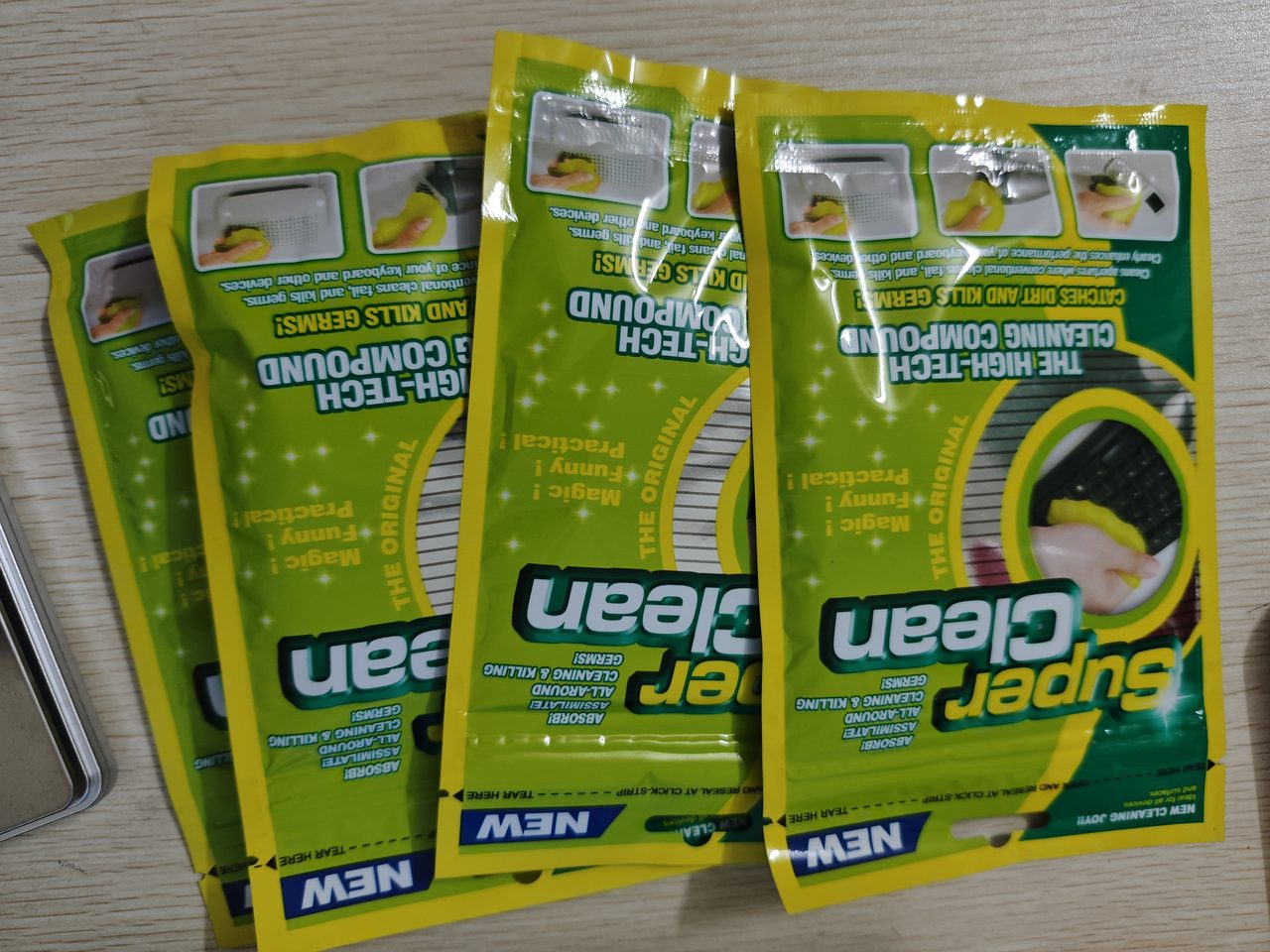
What Is Cleaning Gel? The Simple Tool That Reaches the Dust Cloths Leave Behind
·7 min read
You wipe a surface. You watch the dust drift back into the same corner a minute later. We have all been there.
Most cleaning tools share one weakness: they move mess around instead of removing it. Cloths push. Brushes scatter. Compressed air blows debris from one gap into another. None of them actually grab the fine dust and crumbs hiding in tight spaces.
Cleaning gel was built for exactly that gap — literally.
It looks like a toy and feels like putty, but it is one of the simplest ways to lift dust, crumbs, hair, and small particles out of places a normal cleaner cannot reach.
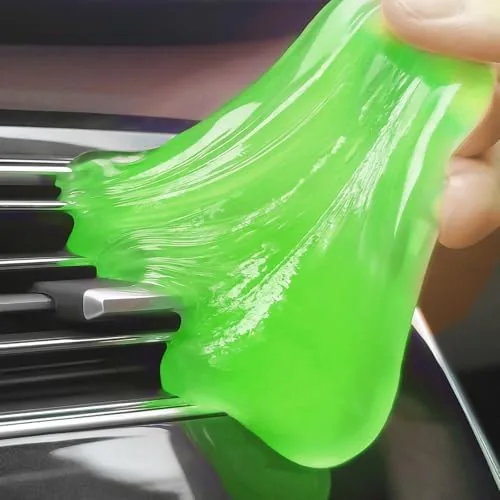
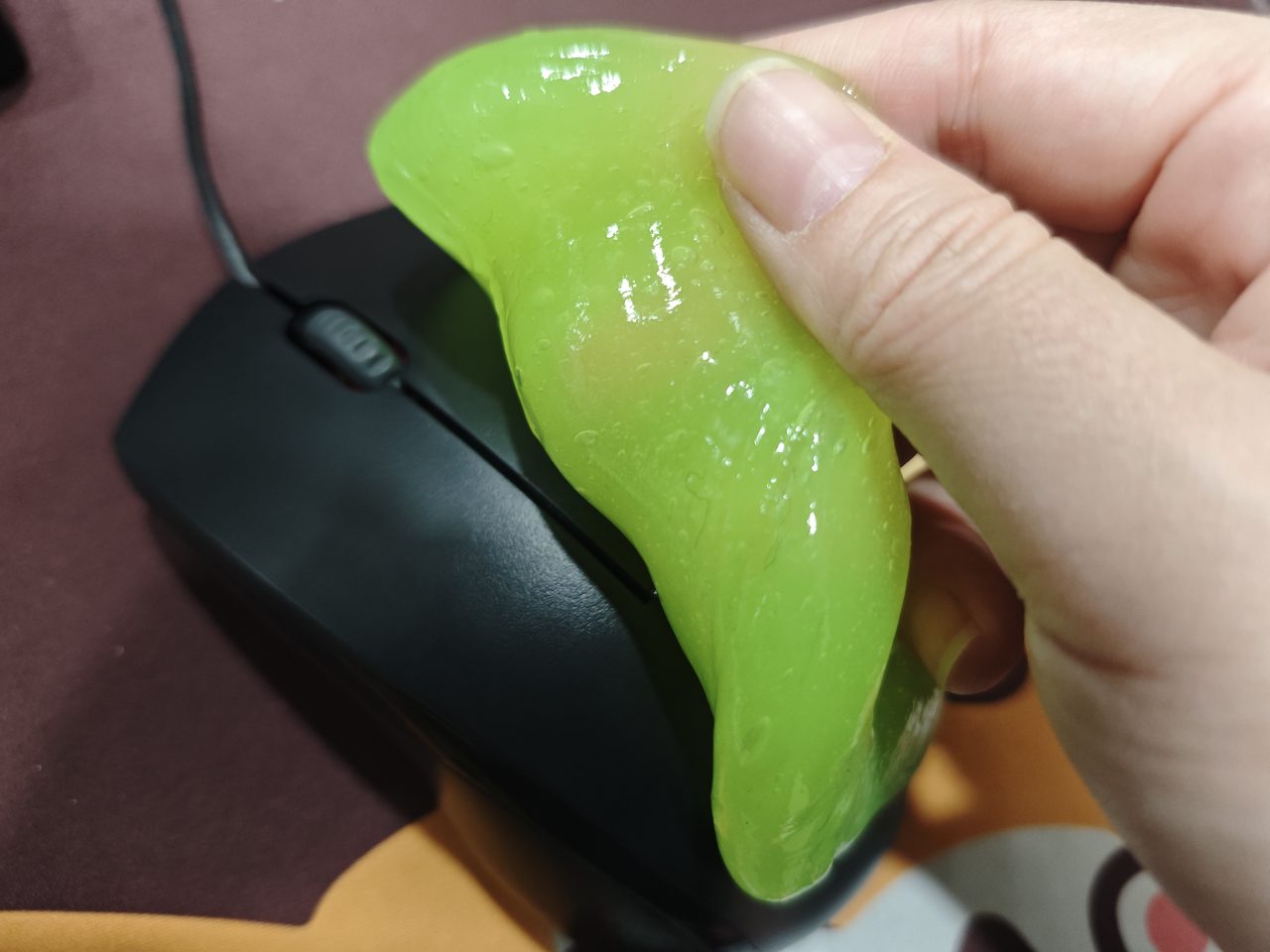
Cleaning gel is a soft, reusable compound made to pick up loose debris from small gaps and textured surfaces. You may also hear it called cleaning putty, cleaning slime, or dust-removal gel. The texture is sticky enough to grab particles, flexible enough to press into narrow spaces, and cohesive enough to lift away cleanly without leaving a residue.
Unlike sprays or wet wipes, the gel works dry. There is no water to add and no surface to rinse. You press it onto a dusty area, let it make contact, and lift. The debris comes with it.
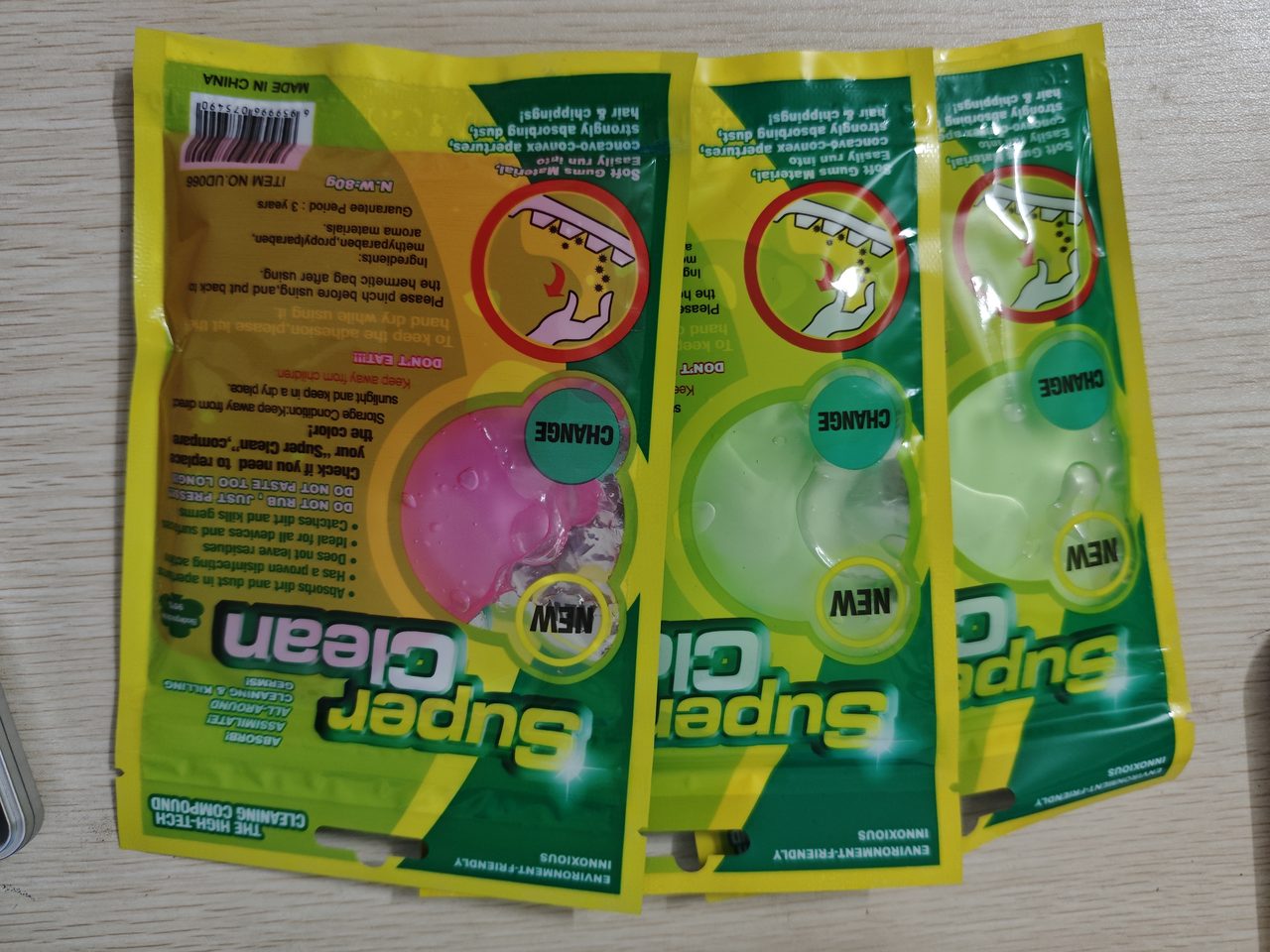
Most gels come in small sealed pouches. A single pouch holds enough material for many uses, and the same piece can be reused until it becomes too loaded with dirt to keep picking up new debris.
In one line: cleaning gel is a dry, reusable compound that traps dust by touch — no sprays, no water, no disassembly.
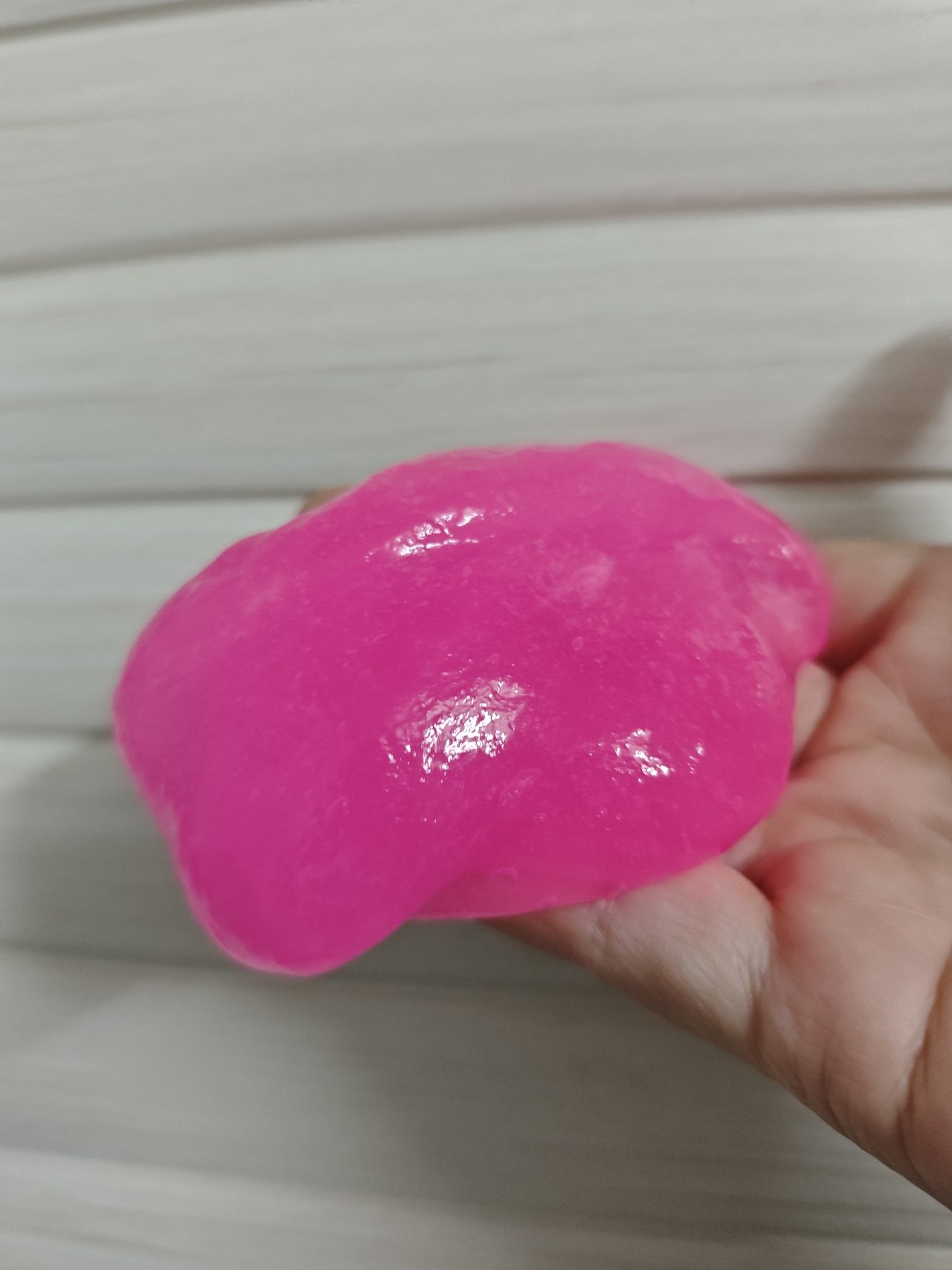
The gel works through contact and adhesion, not chemistry.
When you press the compound onto a surface, it flows into tiny gaps and wraps around small objects. The slightly tacky surface grabs onto loose dust, crumbs, hair, and skin flakes. When you lift the gel away, those particles stay in the compound instead of falling back onto the surface.
Because the process is mechanical, the gel is safe on most hard surfaces — it does not rely on solvents, alcohol, or moisture. It simply touches, grabs, and lifts.
The material also has a memory-like quality. After you press it into a shape, you can knead it back into a ball and use it again. Once the gel is full of debris and no longer sticky, you swap in a fresh piece.
One of the biggest advantages of cleaning gel is its versatility. The same pouch can handle dozens of small jobs around the house, in the car, and on your desk.
If a space is too narrow for a cloth and too delicate for a brush, cleaning gel is usually the right call.
| Tool | Best For | Its Weakness |
|---|---|---|
| Microfiber cloth | Flat, open surfaces like dashboards and screens | Cannot reach into narrow gaps |
| Detailing brush | Loosening dust from textured areas | Often moves debris instead of removing it |
| Compressed air | Blowing dust out of vents and keyboards | Blows particles into other corners; does not collect them |
| Cleaning gel | Small gaps, seams, buttons, textured surfaces | Not for heavy grime, wet spills, or large debris |
The gel does not replace a full cleaning kit. It replaces the frustration of trying to clean a space that was never designed to be cleaned with a cloth.
That is the entire routine. No water. No sprays. No taking anything apart.
A few simple habits stretch the life of each pouch:
A multi-pack is handy: dedicate one color to the car, one to electronics, and keep a spare in a drawer.
For most hard, non-porous surfaces, yes. The gel is designed to lift dry debris without scratching or staining.
A few sensible precautions:
Used as intended, cleaning gel is one of the lowest-risk cleaning tools you can keep around.
Cleaning gel is not a miracle product. It will not remove stains, grease, or dried spills. But for the fine dust and crumbs that collect in the small spaces of daily life, it is faster and more effective than almost anything else.
A single pouch covers keyboards, car vents, remote controls, window tracks, and dozens of other spots. It works without water, without sprays, and without taking anything apart.
If your current routine leaves dust behind in the gaps, a simple cleaning gel may be the one tool that was actually designed to reach them.
Shop this post
The exact products mentioned in this article.

Cleaning Tips
From keyboard crevices to car vent louvers, the dust you can't see is the dust that gets everywhere. Here's how to clean the spots most people forget — in one bag, ten minutes, no disassembly.

Cleaning Tips
We tested both on a 3-year-old Toyota Camry with 18 months of dust buildup. The results were surprising.
Cleaning Tips
Take a closer look at your keyboard and you'll find dust, crumbs, and debris hiding between the keys — places a regular cloth can't reach. Here's how a reusable cleaning gel lifts it all out in a few minutes.