Cleaning Tips
5 Things You'll Never Find in a Truly Clean Car
·6 min read
Most people think a clean car is something you achieve during a weekend deep-cleaning session. You vacuum the seats, wipe down the dashboard, throw away a few empty bottles, and admire the results.
Then a week later, the mess is back.
Sound familiar?
The truth is that truly clean cars aren't necessarily cleaned more often — they simply don't allow certain types of clutter and buildup to stick around long enough to become a problem. Professional detailers know this well. A spotless interior isn't created by occasional intensive cleaning; it's maintained through small habits that prevent dirt, debris, and grime from accumulating in the first place.
If you've ever wondered why some vehicles always seem fresh, organized, and pleasant to drive, the answer usually comes down to what isn't inside them.
Here are five things you'll never find in a truly clean car — and the simple habits that keep them from showing up.
Take a quick look around many vehicles and you'll probably find them:
Individually, these items don't seem like a big deal. But together, they create visual clutter that instantly makes a vehicle feel disorganized.
Paper also breaks down over time. Small fibers and dust particles collect in storage compartments, seat tracks, and floor mats. Every time a door opens or closes, lightweight scraps can shift around the cabin.
Instead of creating a "temporary" storage spot for paperwork, develop a simple rule:
If you don't need it, remove it when you exit the vehicle.
A few seconds at the gas station can prevent months of accumulated clutter.
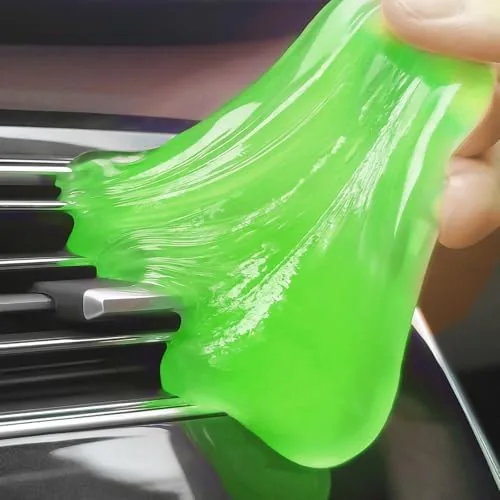
For the paper fibers and tiny debris that inevitably remain behind, many drivers use car cleaning gels to lift particles from textured surfaces and tight spaces where vacuum attachments can't easily reach. The soft material helps pick up residue without scratching plastic trim or dashboard surfaces.
The result is a cleaner-looking interior with far less effort.
Few things make a vehicle feel dirty faster than food debris.
Think about the places crumbs love to hide:
A few crackers today become dozens of crumbs next month.
The same goes for spilled coffee, soda, sports drinks, or milk tea. What starts as a small drip often turns into a sticky residue that attracts dust and dirt.
During warmer months, leftover food particles can begin producing odors surprisingly quickly.
Even worse, crumbs and sugary residue may attract insects, especially if the vehicle sits outside regularly.
The easiest solution is simple: avoid eating inside the car whenever possible.
Of course, life isn't always that convenient. Road trips, commutes, and busy schedules happen.
That's why many experienced detailers recommend keeping basic detailing tools nearby so small messes can be addressed before they become major cleaning projects.
For debris trapped deep inside seat seams and crevices, traditional towels often push crumbs further into the gap rather than removing them. This is where car cleaning gels can be particularly useful. Their flexible texture allows them to conform to narrow spaces and lift debris outward instead of forcing it deeper into the upholstery.
It's a small maintenance habit that can dramatically improve long-term cleanliness.
Air vents are among the most overlooked areas in vehicle cleaning.
Yet they're also among the first places passengers notice.
Over time, dust settles on vent slats and collects inside narrow openings. The corners around infotainment screens and dashboard seams often develop a layer of gray fuzz that becomes increasingly visible in sunlight.
Many people try to solve the problem with a damp cloth. Unfortunately, that approach often makes things worse.
When you wipe vent slats with a cloth, much of the dust simply gets pushed deeper into the vent assembly.
The visible dust disappears temporarily, but the buildup remains hidden inside.
This is one reason professional interior detailing focuses heavily on precision cleaning rather than simply wiping surfaces.
Instead of using excessive moisture around air vents, gently remove dust before it gets compacted into hard-to-reach areas.
Many detailers use brushes, compressed air, or car cleaning gel to reach narrow vent openings. By lightly pressing the gel into the gaps between vent slats, dust adheres to the material and lifts away from the surface rather than being pushed further inside.
The same technique works well around:
These small details make a surprisingly large difference in how clean a vehicle feels overall.
Cup holders are magnets for messes.
Coffee drips, soda splashes, smoothie residue, and sugary drinks all tend to settle at the bottom of these recessed compartments.
The problem is that most cup holders aren't flat. They contain:
Over time, residue dries and hardens, creating a dark sticky layer that's difficult to remove with standard wipes.
Surface cleaning products usually remove only the top layer of grime. The residue trapped inside grooves and corners often remains untouched.
As dust accumulates, the buildup becomes increasingly noticeable — and increasingly unpleasant.
For routine maintenance, removing inserts and wiping surfaces regularly helps prevent buildup.
When residue has already formed in hard-to-reach corners, a cleaning gel for car interior surfaces can help reach recessed areas that cloths struggle to access. By conforming to the shape of the compartment, the gel can contact surfaces along the bottom and sides of cup holders, helping lift dust and loosen dried residue from difficult angles.
It's one of the simplest car cleaning hacks that many vehicle owners overlook.
Many drivers don't realize how much contamination accumulates on the surfaces they touch every day.
Hands transfer:
Over months and years, these substances create a glossy layer on steering wheels, gear shifters, and control knobs.
People often assume the shine means the material is polished. In reality, it usually means it's dirty.
A steering wheel may feel:
The appearance can also make an otherwise well-maintained vehicle look older than it actually is.
Regular wiping with a mild interior-safe cleaner is usually enough to keep these high-contact surfaces looking fresh.
For quick maintenance between deeper cleanings, some drivers use a car detailing gel to remove light dust and debris from steering wheel seams, button clusters, and surrounding trim. Used correctly, it can help maintain cleanliness without leaving residue behind or damaging interior materials.
The key is consistency. Small amounts of maintenance performed regularly are far more effective than waiting until heavy buildup appears.
The cleanest vehicles aren't maintained through marathon cleaning sessions every few months. They're maintained through small daily actions.
When you stop dirt and clutter from settling in, keeping your vehicle clean becomes dramatically easier.
If you're looking for a simple way to support those habits, keeping a car cleaning gel in your vehicle can make quick touch-ups more convenient. During a fuel stop, while waiting for someone, or before heading into work, spending just a couple of minutes cleaning vents, cup holders, and seat crevices can help maintain a fresh, comfortable interior year-round.
Because the secret to a truly clean car isn't cleaning harder.
It's preventing the mess from taking hold in the first place.
Shop this post
The exact products mentioned in this article.

Cleaning Tips
From seatbelt buckles to A/C vents, these overlooked zones collect more dust than your dashboard. Here's how to clean them in under 10 minutes.

Cleaning Tips
Most drivers clean their car to protect it — but common habits like harsh cleaners, dirty towels, and dry dusting can scratch coatings and trim. Here are the 5 mistakes pros avoid, and what to do instead.

Cleaning Tips
A practical, step-by-step routine for cleaning your car interior — from dashboard and vents to seats, cup holders, and touchpoints. Spend 20 minutes a week and your cabin stays showroom-fresh.